For years, my mother believed her knee pain was simply part of getting older. Today, every holiday is planned around how much walking her knees can tolerate. Exercise has become something she approaches with caution instead of excitement. The woman who once dreamed of travelling the world after retirement now worries about whether she'll comfortably make it through an airport terminal. Someone who always wanted to keep working well beyond retirement age because she genuinely loved being productive now wonders if her body will cooperate.
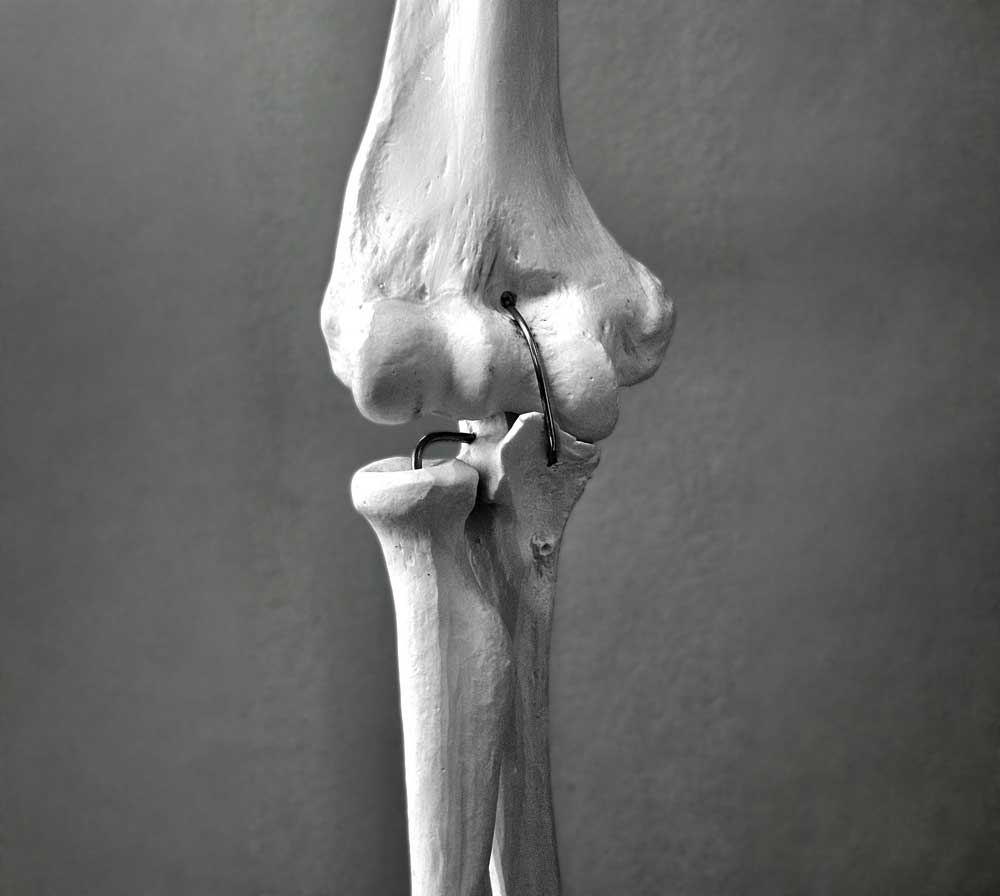
My mother's diagnosis of arthritis in both knees made me realise that women's bone health is rarely taken seriously until it begins limiting how they live, work and dream. As India witnesses an ageing population and conversations around preventive healthcare gain momentum, experts say the real challenge isn't treating arthritis; it's preventing decades of silent bone loss through early awareness, nutrition, movement and timely intervention.
Arthritis Doesn't Just Affect Your Joints. It Changes Your Identity.
Mom never imagined her knees would become the deciding factor in every plan. The hardest part isn't watching her walk more slowly. It's watching someone who has always defined herself by her independence begin questioning whether she can still do the things she loves.
Arthritis didn't simply weaken her knees.
It quietly chipped away at her confidence.
And that's a reality millions of women quietly live with.
Women are more vulnerable to arthritis, but far less likely to receive timely care. Arthritis is often dismissed as an inevitable consequence of ageing. It isn't. According to the Arthritis Foundation and global rheumatology research, women are two to three times more likely than men to develop Rheumatoid Arthritis, an autoimmune disease that often begins earlier and progresses more aggressively in women.
The Burden Is Particularly High In India
Indian rheumatology studies suggest that more than 60 per cent of arthritis patients are women, yet diagnosis is frequently delayed because persistent joint pain is dismissed as ‘normal ageing’, post-pregnancy weakness or years of physically demanding household work. Many women learn to live with pain instead of questioning it. By the time they finally consult a specialist, cartilage damage has often progressed significantly, making treatment more difficult and reducing long-term mobility.
Women's health physiotherapist Uravshi Maan, who works extensively with women recovering from pregnancy and managing chronic musculoskeletal conditions, says the biggest challenge isn't arthritis itself; it's how late women seek help. ‘Pain should never be accepted as a normal part of womanhood. The earlier we intervene with physiotherapy, strength training and lifestyle changes, the better the chances of preserving mobility and independence. Prevention is always easier than rehabilitation.’
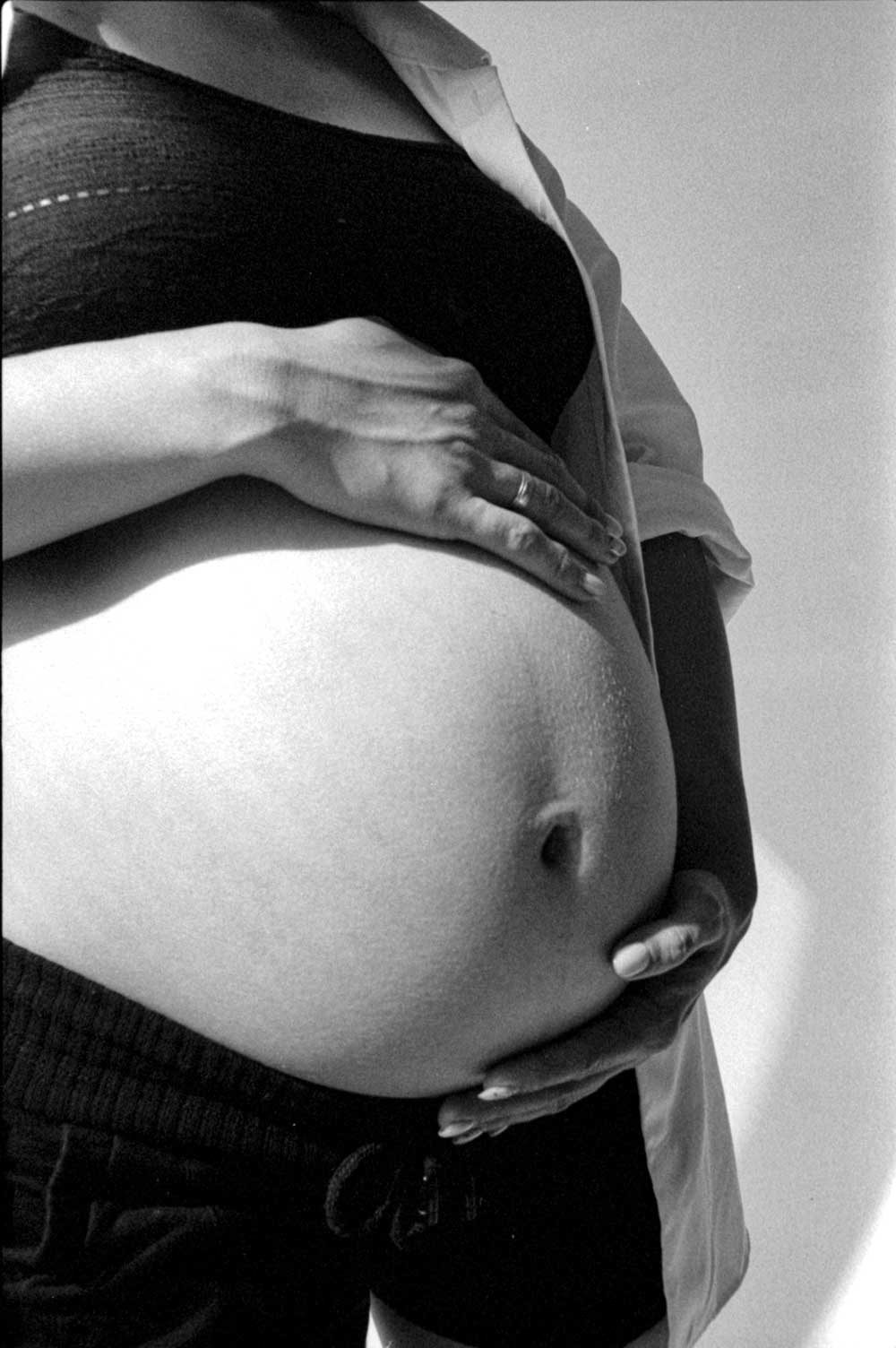
According to a review published in the Indian Journal of Endocrinology and Metabolism, the strongest bones a woman will ever have are built before the age of 30. Women naturally attain a lower peak bone mass than men, while pregnancy, breastfeeding, hormonal changes and menopause gradually accelerate bone loss.
The review further highlights that poor nutrition, widespread vitamin D deficiency, inadequate calcium intake, early menopause and delayed diagnosis collectively leave millions of Indian women vulnerable to osteoporosis and age-related fractures later in life.
In other words, arthritis and osteoporosis don't suddenly appear in your fifties or sixties.
They are often the result of years of silent neglect. Yet conversations around bone health rarely happen during adolescence, pregnancy or early adulthood, the very years when they matter most.
Nutrition Remains One Of India's Biggest Bone Health Challenges
A 2025 study published in Scientific Reports (Nature Portfolio) found that nearly 85 per cent of Indian women had inadequate vitamin D levels, while calcium intake remained significantly below recommended levels. Researchers attributed this to limited sun exposure, dietary gaps and lifestyle factors, all of which compromise bone strength over time.
‘Weak bones don't happen overnight. They develop gradually, often without symptoms, until a fracture, persistent knee pain or osteoporosis diagnosis forces attention,’ says Mann. For many women, motherhood further accelerates this process. ‘Pregnancy and breastfeeding naturally increase calcium requirements, yet postpartum care remains largely centred around the baby's health rather than the mother's long-term recovery.’
Studies published in the Journal of Family Medicine and Primary Care have found that many Indian mothers enter the postpartum period with nutritional deficiencies, poor vitamin D status and reduced physical activity. While some bone loss during lactation is expected and reversible, recovery depends on adequate nutrition, structured exercise and rehabilitation, support that many women never receive. According to Maan, postpartum rehabilitation is one of the biggest missed opportunities in women's healthcare. ‘Recovery shouldn't end when the stitches heal. Women need progressive strength training, pelvic health rehabilitation, adequate protein, calcium, vitamin D and movement guidance long after childbirth. Those investments protect not only today's recovery but bone health decades later.’
Everyday Habits Quietly Determine How Our Joints Age
Genetics play a role, but lifestyle determines much of what happens next.
Years of wearing completely flat footwear without proper support can increase stress on the knees, hips and lower back. Avoiding strength training weakens the muscles that stabilise joints. Long hours of sitting, inadequate protein intake and untreated vitamin D deficiency gradually accelerate joint degeneration.
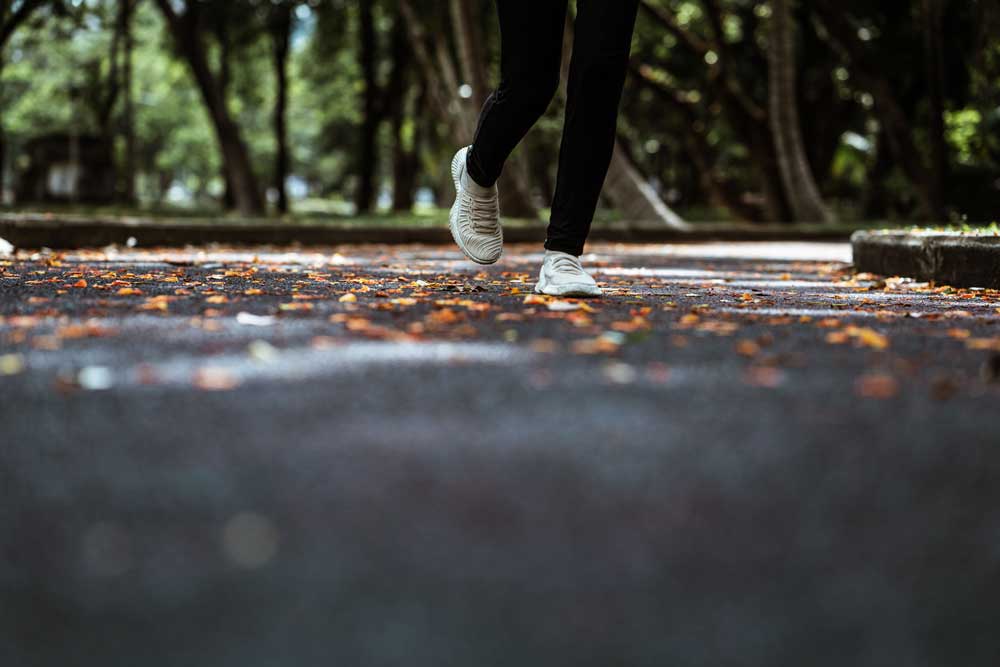
‘Ironically, many women stop exercising because movement becomes painful. Yet evidence consistently shows that appropriately prescribed physical activity is one of the most effective non-surgical ways to slow arthritis progression.’ Mann further adds that strength training improves muscle support around joints. Yoga enhances flexibility and balance. Swimming and cycling reduce impact while maintaining mobility. ’Physiotherapist-guided rehabilitation helps women regain confidence in movement instead of fearing it. Movement isn't the enemy. It is part of the treatment.’
The Greatest Burden Isn't Physical. It's Cultural
Perhaps the most difficult part of my mother's journey wasn't the diagnosis. It was realising how long she had normalised her pain.
Like countless Indian women, she always put everyone else's needs before her own. Research across healthcare utilisation consistently shows that women are more likely than men to delay seeking medical care because they prioritise caregiving responsibilities over their own wellbeing.
The consequences go beyond damaged joints. Chronic arthritis is strongly associated with anxiety, depression, reduced independence and declining quality of life.
My mother wasn't neglecting herself because she didn't care.
She was doing what generations of women have been taught to do.
Endure first.
Heal later.
India Is Living Longer, But Longevity Without Mobility Isn't Healthy Ageing.
Women's bone health is far more than a medical issue. It influences economic participation, caregiving, independence, mental wellbeing and quality of life.
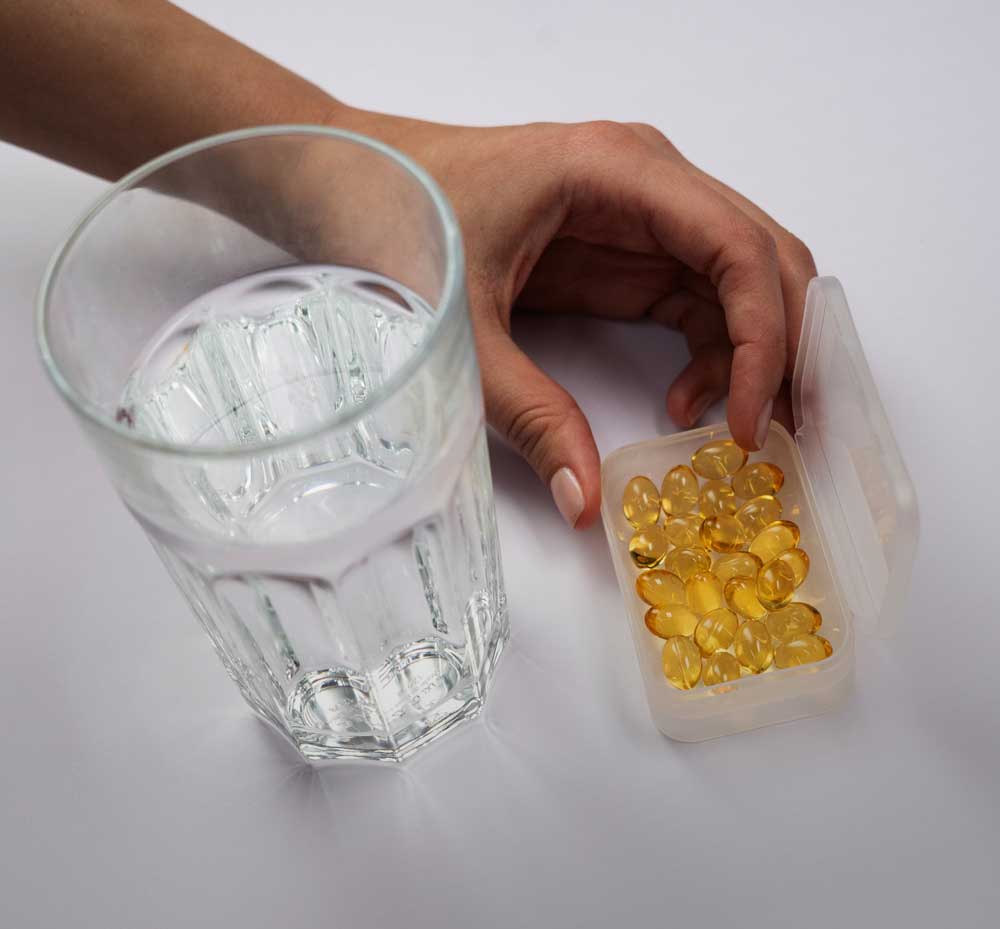
The good news is that arthritis and osteoporosis are not entirely inevitable. Guidelines from the International Osteoporosis Foundation and orthopaedic experts recommend building bone health decades before symptoms appear. ‘Regular resistance training, weight-bearing exercise, adequate protein intake, calcium-rich foods, correcting vitamin D deficiency under medical supervision, supportive footwear and maintaining a healthy body weight all help reduce the long-term risk of bone loss and joint degeneration,’ advises Mann.
If persistent knee pain, stiffness or reduced mobility has quietly become part of your everyday life, don't dismiss it as ‘just ageing.’
Consult an orthopaedic specialist or rheumatologist. Speak to a physiotherapist before pain begins limiting your life. My mother's arthritis taught me that the biggest tragedy isn't growing older.
It's losing the freedom to live the life you spent decades building because no one told you your bones needed care long before they started hurting.
Sources:
· Indian Journal of Endocrinology and Metabolism – Osteoporosis in India: The Need for National Guidelines.
· Scientific Reports (Nature Portfolio, 2025) – Research on vitamin D deficiency among Indian women.
· Journal of Family Medicine and Primary Care – Research on postpartum nutritional status and maternal bone health.
· International Osteoporosis Foundation.
· Arthritis Foundation and published rheumatology literature on sex differences in Rheumatoid Arthritis and osteoarthritis.