When disaster strikes, the first image we tend to think of is rescue. We imagine boats moving through floodwaters or firefighters carrying people from burning buildings. But long before formal aid reaches a community, women in the community are first responders.
They share information about which clinic is open, where food is being distributed, whose house still has drinking water. Someone finds clothes for a woman who has arrived at a relief camp with nothing and someone else makes sure an adolescent girl has sanitary products. A woman with a working phone becomes the person everyone calls. These acts rarely make the evening news but they are part of what humanitarian response looks like on the ground. Women in crisis are often described as victims, but they are also decision-makers, organisers and problem-solvers.
The Crisis After The Crisis
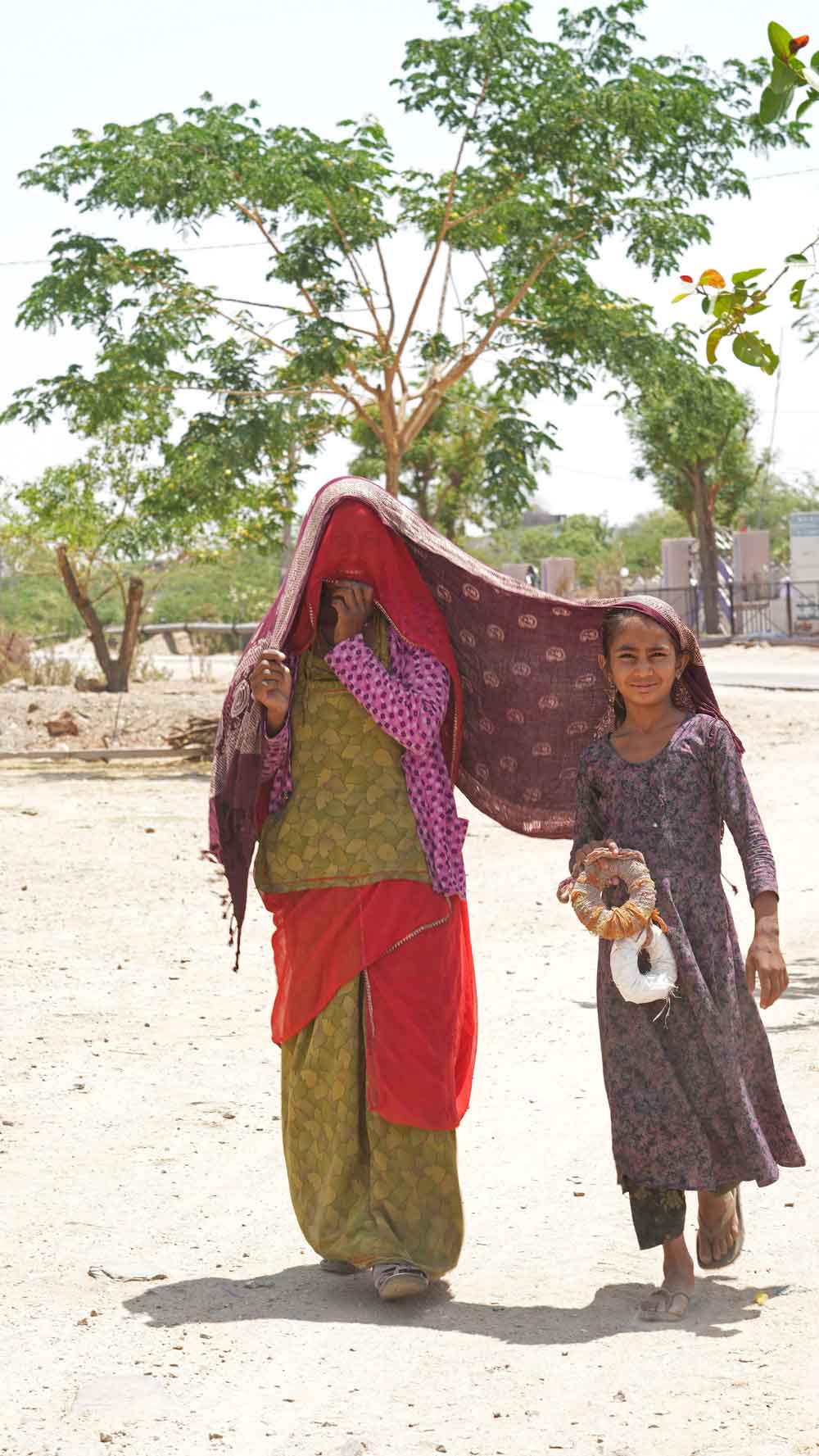
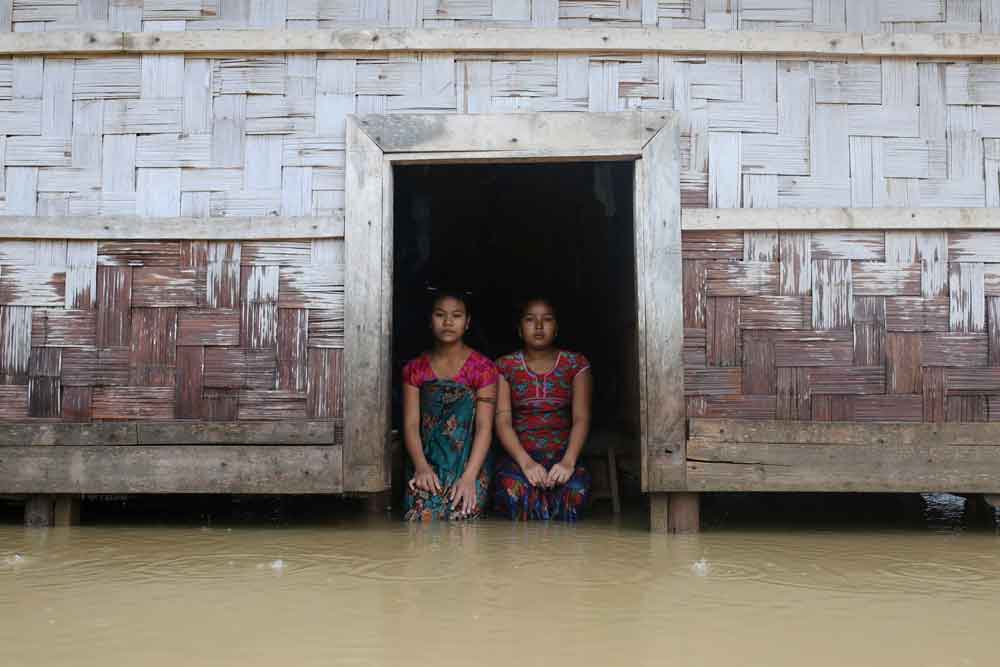
The first few days after a disaster are about survival. Is there food? Water? Shelter? Is everyone accounted for? Then comes the harder question of what happens next. For a woman who has lost her home in a flood, rebuilding could mean anything from finding a temporary roof while trying to earn again, to replacing an Aadhaar card, ration card, bank documents, school certificates or land papers that have been washed away with the family's belongings. It could even mean finding a way to get children back into school when uniforms, books and transport are gone.
For women, recovery is often complicated by the fact that they are carrying responsibility for other people at precisely the moment when their own lives have been thrown into upheaval. United Nations Population Fund UNFPA's guidance on disaster response in India describes women as the backbone of families and communities, while warning that their particular strengths and vulnerabilities can be overlooked during emergencies.
What Isn't In The Relief Kit?
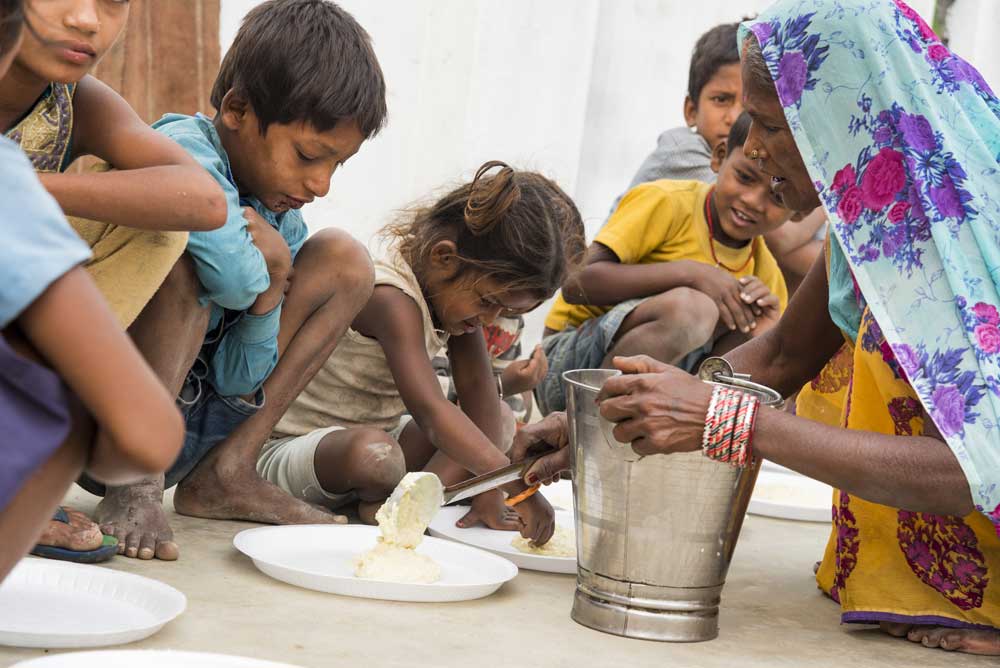
Imagine a relief truck arriving after a flood. It carries rice, dal, bottled water, blankets and perhaps medicines. All of these are essential, but what about the woman who has her period or the mother who needs somewhere private to breastfeed? One also has to consider women who need medication for chronic conditions, teenaged girls who cannot sleep because temporary shelters may not be safe, and woman who have lost the documents that prove their identity, ownership or eligibility for government support. These are not luxuries but determining factors in whether someone can begin rebuilding a life.
UNFPA and WaterAid India's framework on menstrual health during emergencies specifically calls for menstrual products, water and sanitation, information, privacy and the integration of menstrual health into health and protection services. It points out a simple fact that can disappear during disaster planning, periods do not stop because there is a flood, cyclone or other emergency.
In Bihar, after devastating floods, assessments found that women and girls in temporary shelters faced a lack of privacy, disrupted access to sanitation and difficulty obtaining sanitary napkins. Loss of income made basic hygiene products even harder to afford.
The Networks That Already Exist
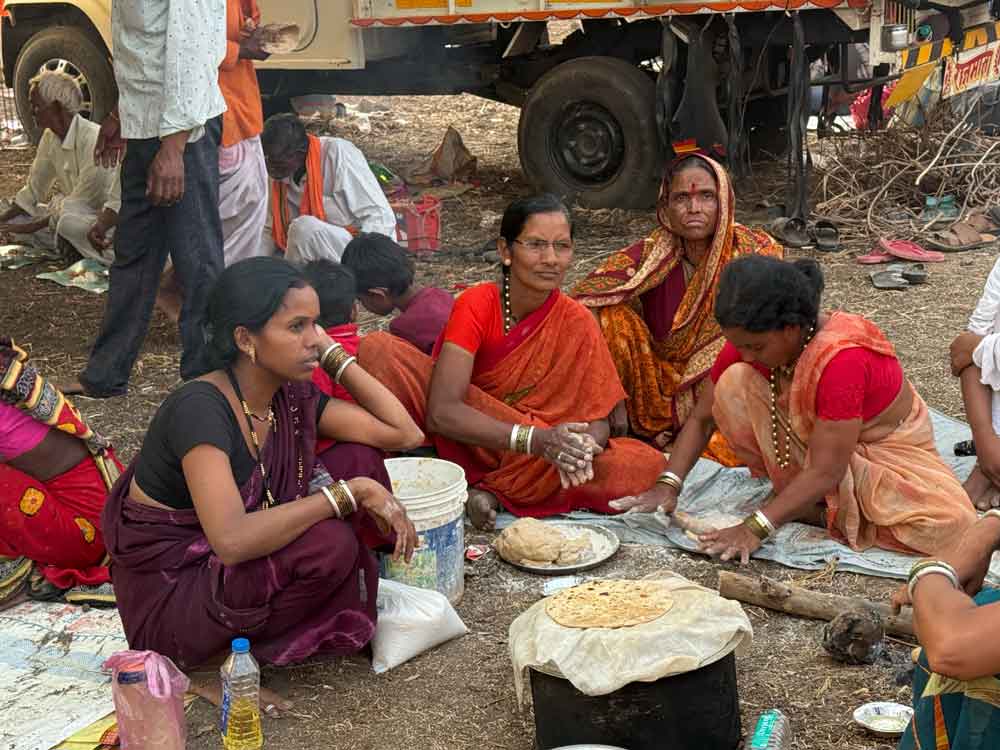
Formal humanitarian systems are indispensable, but communities often possess their own systems of care long before an NGO or government agency arrives. Women's self-help groups are a particularly important example. The same networks that normally help women save money, access credit or build livelihoods, can become mechanisms for crisis response. A group that has spent years putting small amounts of money aside can suddenly use that collective strength when one member's house is damaged or a family needs medical treatment.
Women who know their neighbourhoods know who is elderly, who is pregnant, which family has a disabled member, who lives alone and who may need help getting to safety. In Odisha, for example, women's community networks have also been part of disaster preparedness and resilience efforts, with women involved in local climate adaptation and preparedness work. A woman may know that another woman is unsafe at home since a crisis can make an abusive relationship more dangerous. Crowded shelters, financial dependence, loss of privacy and displacement can remove whatever little control a woman previously had, so another woman becomes the person she calls.
Beyond Resilience
The word we use constantly when talking about women after disasters is ‘resilient’. It is admirable, but it can also become a burden. We celebrate the woman who rebuilds her house, gets her children back to school, starts earning again and somehow keeps the family together. But this woman is herself a survivor, someone who needs care and whose choices have been severely constrained. Humanitarian response has traditionally measured immediate needs, but recovery also depends on whether women are able to regain agency in other aspects such as ability to earn, access her bank accounts, decide where to send her children to school, get contraception or essential medication, move around safely, enjoy five minutes of privacy and make decisions about her own life.