For generations, children’s books have quietly shaped ideas of who children are supposed to become. Boys were usually fearless, mischievous, and adventurous. Girls were soft-spoken, caring, and delicate. Even outside storybooks, childhood itself was divided into neat little categories: pink and blue aisles, dolls and action figures, princesses and superheroes.
For many children, those stories felt normal. For others, they felt like doors that were never meant to open for them. But slowly, that landscape is beginning to shift.
Across the world, and increasingly in India too, writers and illustrators are creating children’s books that allow more room for emotional honesty, gender expression, and different kinds of families.
These stories are not trying to “teach” children who they should be. Instead, they offer something far simpler and far more powerful: the freedom to imagine themselves without fear.
Books such as Guthli Has Wings by Kanak Shashi and The Boy and the Bindi by Vivek Shraya are part of a growing body of queer-inclusive literature that challenges the rigid expectations many children grow up with. Rather than presenting masculinity and femininity as fixed roles, these stories create space for curiosity, softness, confusion, vulnerability, and self-discovery.
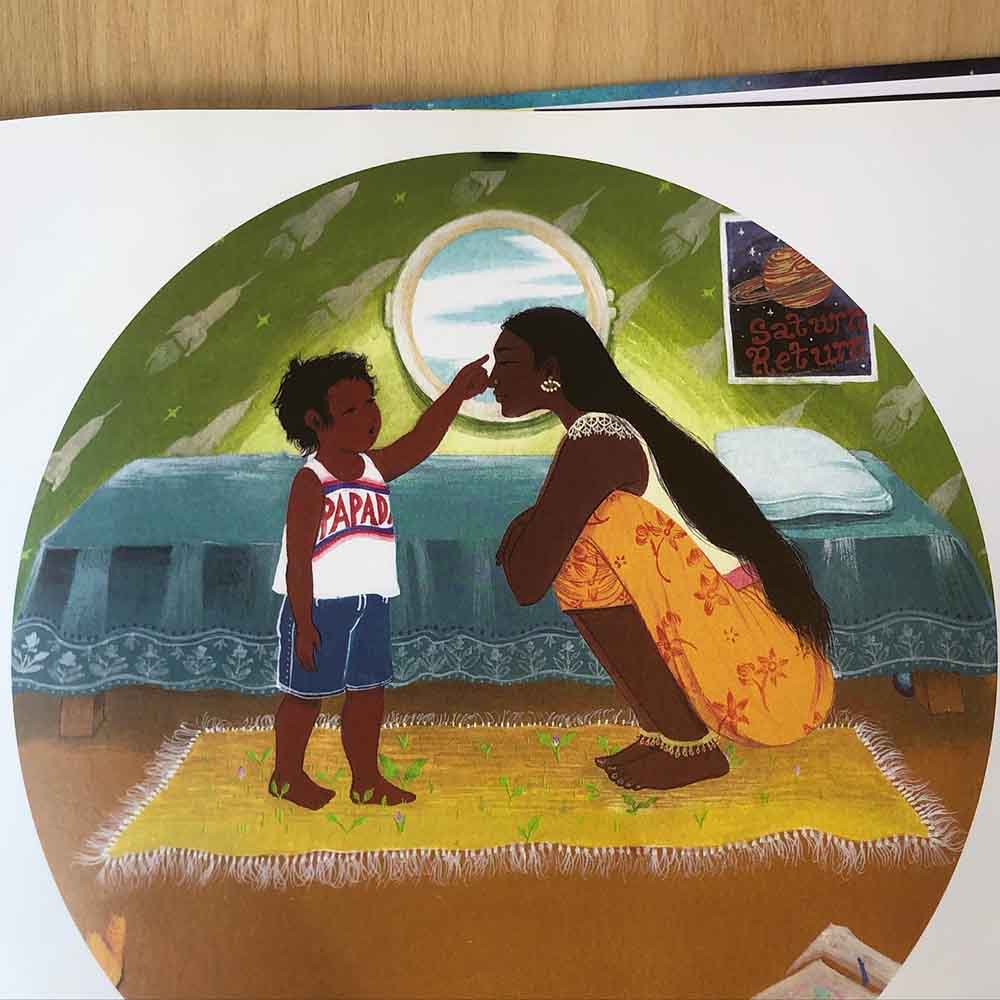
For many children, gender expectations begin long before they understand the words attached to them. Children absorb these rules everywhere, at home, in schools, through television, advertisements, classrooms, relatives, toys, and even casual remarks that adults often don’t think twice about: “Boys don’t cry.” “Girls should sit properly.” “That colour is not for boys.” “Nice girls don’t behave like that.”
By the time children start school, many already know which clothes, behaviours, hobbies, or emotions are considered “acceptable” for them. The conditioning is so constant that it often feels invisible.
And when a child does not fit naturally into those expectations, the silence around them can feel incredibly lonely.
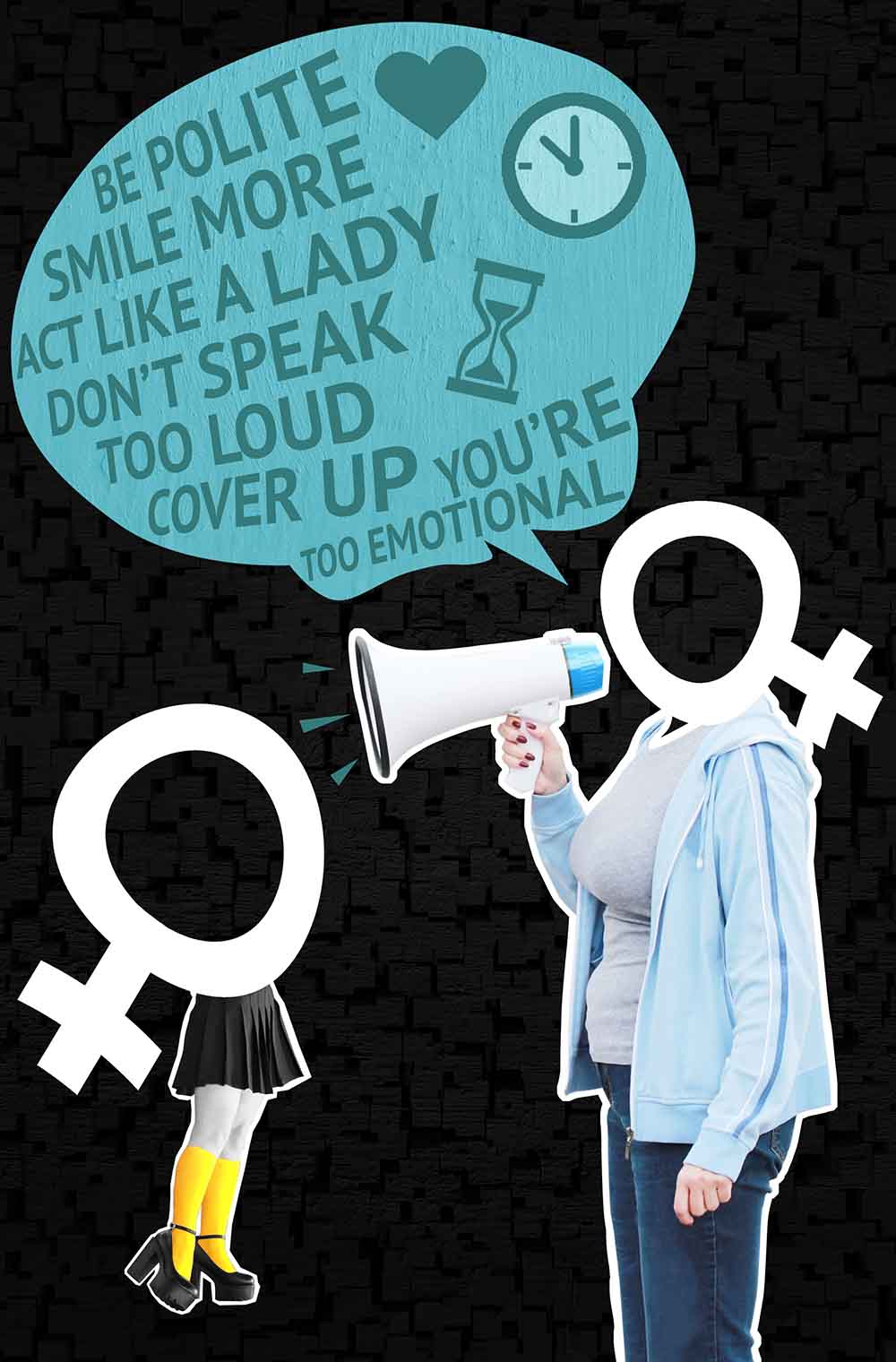
For decades, queer children barely existed in mainstream literature. Stories either erased them or reshaped every family and identity to fit heteronormative ideas of what childhood should look like. But representation matters because children use stories to understand not only the world around them, but also themselves.
When every story repeatedly celebrates only one kind of family or one kind of boyhood or girlhood, children quickly learn what society rewards and what it quietly pushes aside.
Inclusive children’s literature interrupts that silence.
In The Boy and the Bindi, a young boy becomes fascinated by his mother’s bindi and wants one for himself. It is a simple, tender story, but one that gently questions why certain forms of beauty or self-expression are reserved only for girls.
Meanwhile, Guthli Has Wings uses dreamlike visuals and fragmented storytelling to capture the emotional confusion of a child struggling to exist outside imposed gender roles.
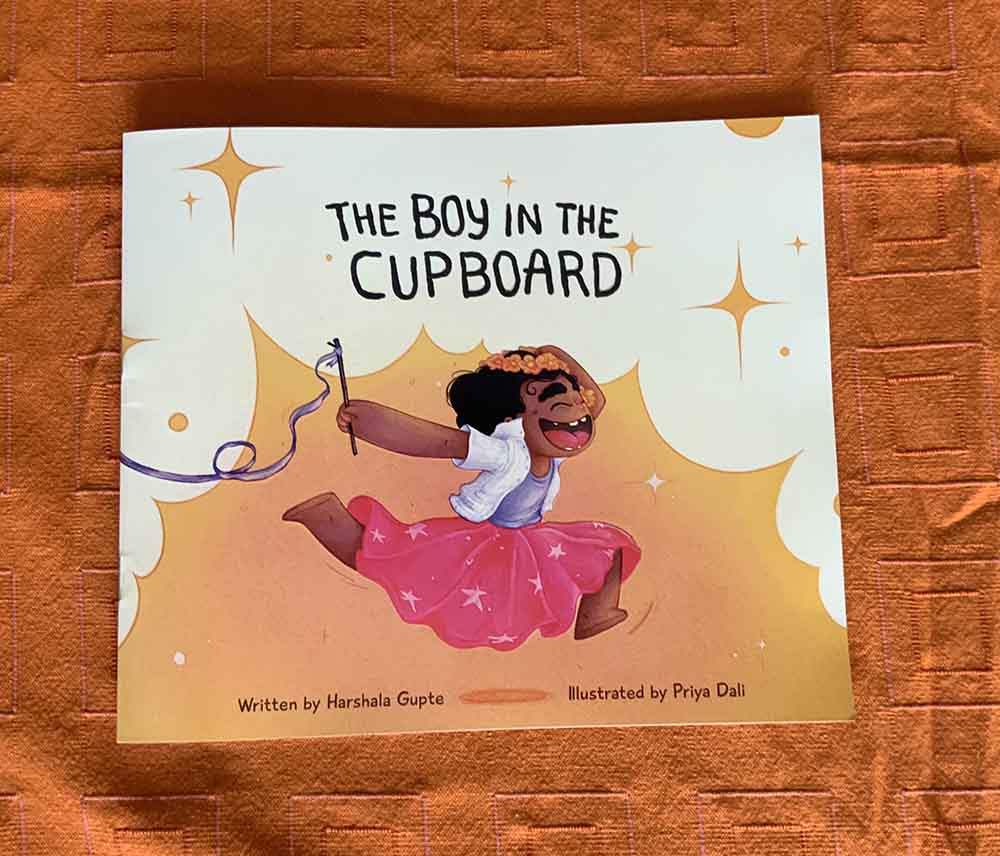
The Boy in the Cupboard explores something even more familiar to many queer adults: the instinct to hide parts of yourself in order to feel safe. Through the story of a young boy who loves dresses, the book speaks about shame, fear, and loneliness, but also about the life-changing impact of empathetic parenting and acceptance at home.
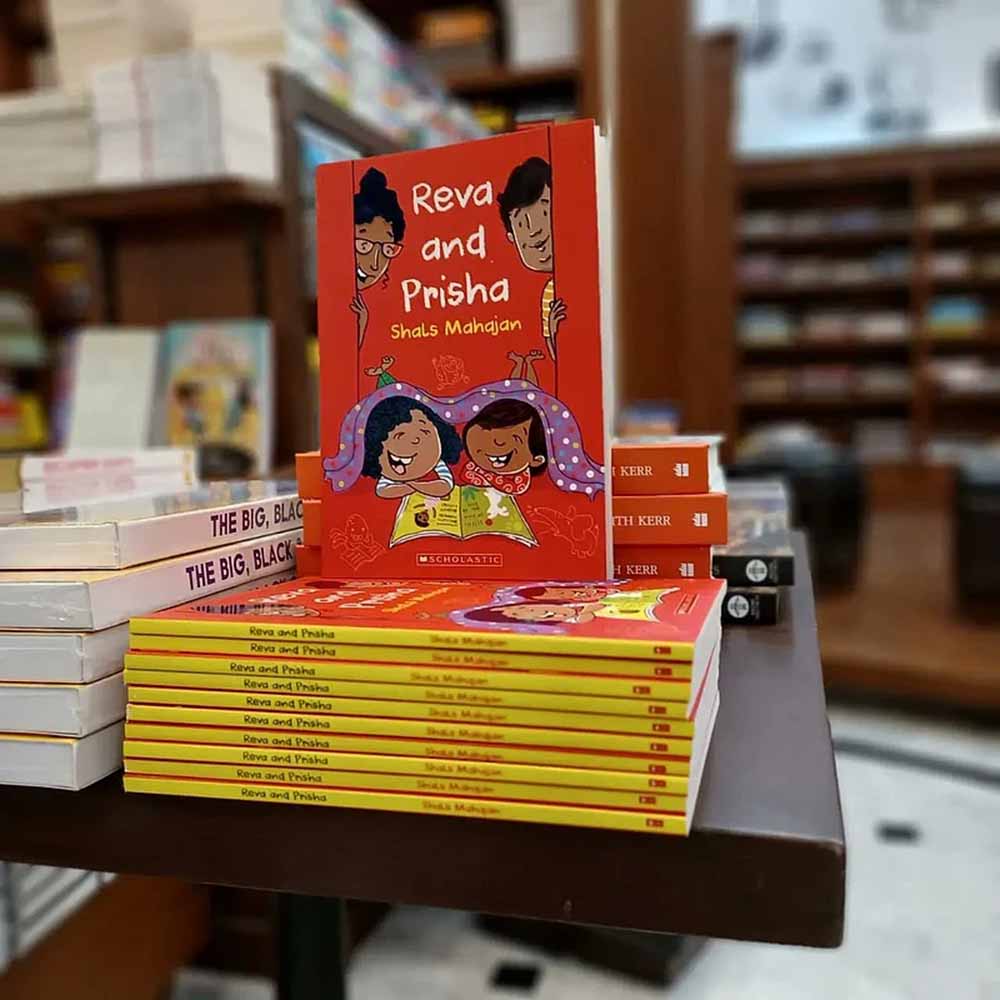
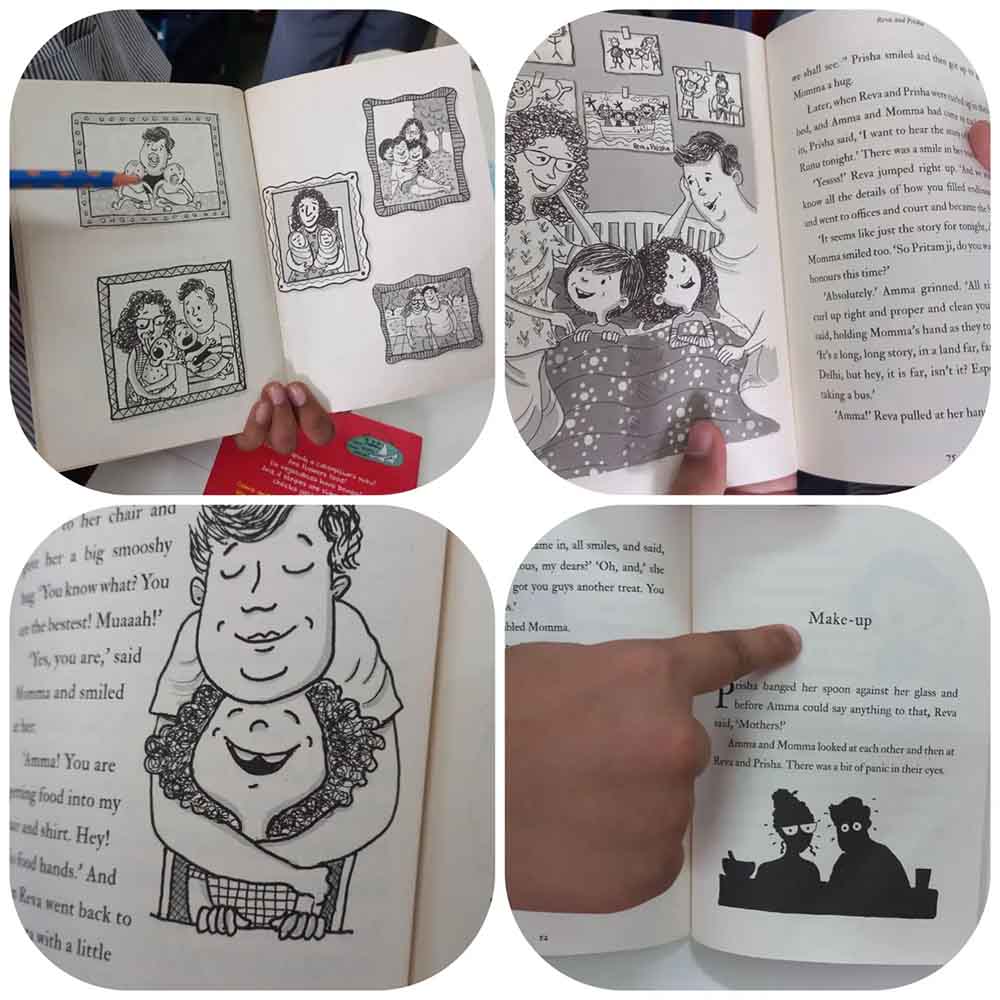
Then there is Reva and Prisha, which quietly normalises a family structure still rarely represented in children’s books in India. Through the everyday adventures of twins being raised by two mothers from Hindu and Muslim backgrounds, the story focuses not on “difference” as conflict, but on warmth, love, sibling chaos, kindness, and belonging. And perhaps that is what makes it so important. It allows children to see that families do not all have to look the same to feel safe and full of love.
What makes many of these books stand out is that they rarely rely on dramatic messaging or moral lectures. Instead, they create emotional space. They allow children to sit with questions, feelings, and possibilities without immediately forcing labels or definitions onto them.
For many queer adults, childhood memories are often tied to moments of self-censorship, hiding interests, changing behaviour, suppressing softness, pretending to enjoy things they didn’t connect with, or learning very early that being “different” invited ridicule.
That is why representation in childhood matters so deeply.

When children never see themselves reflected positively in stories, they often begin editing themselves before the world openly asks them to.
Research from organisations such as UNESCO has repeatedly highlighted how LGBTQIA+ children and gender-nonconforming students face higher risks of bullying, exclusion, loneliness, anxiety, and unsafe educational environments. While books alone cannot undo that harm, inclusive storytelling can help children feel recognised instead of erased.
Sometimes, simply seeing a child like yourself in a story can become its own kind of reassurance.
In India, these conversations remain especially sensitive. Even after the decriminalisation of Section 377, queer representation in schools and children’s spaces continues to be limited. Discussions around gender identity are often treated as “too adult” for children, even though many children begin questioning themselves or feeling “different” long before they have the language to explain it.
At a time when bullying, online harassment, and gender policing increasingly shape childhood experiences, inclusive storytelling becomes more than representation. It becomes emotional support.
And contrary to what critics often argue, these books are not trying to “make” children queer.
They are simply widening the emotional possibilities available to them. A boy reading about tenderness does not lose his masculinity.
A girl reading about rebellion does not become less feminine. A child who sees themselves reflected in a story does not become confused. More often than not, they feel less alone.
The impact of these stories may seem quiet right now. After all, they are just books sitting on shelves, tucked into classrooms, bedtime routines, and library corners.
But stories have always shaped how societies imagine people, long before laws and institutions catch up.
And sometimes, the smallest shifts begin with a child finally seeing themselves inside a story for the very first time.