Retinol is one of those skincare ingredients that dermatologists swear by because it can do a lot. Think clearer skin, fewer breakouts, smoother texture, and softer fine lines. But here’s the catch - it doesn’t work for everyone. If you’ve ever tried retinol and ended up with redness, dryness, or that tight, irritated feeling, you’re not alone. For many people, especially those with sensitive skin, it can feel like more trouble than it’s worth.
The good news? There are gentler, more natural alternatives that can give you similar results, just without the irritation.
What Can You Use Instead?
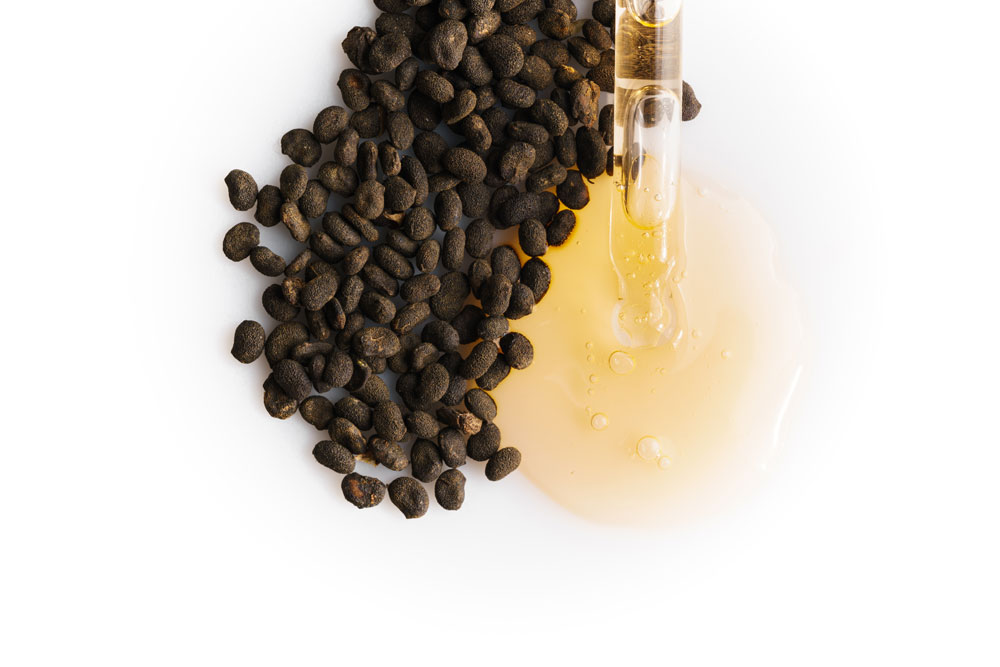
Bakuchiol
This is probably the closest thing to retinol, without actually being retinol. It’s plant-based, derived from the babchi plant, and works in a very similar way by boosting collagen and improving skin texture. The best part? It’s far gentler, making it ideal if your skin tends to react easily. It’s even considered safe during pregnancy, which retinol isn’t.Rosehip Oil
If your skin loves oils, this one’s worth trying. Rosehip oil naturally contains small amounts of retinoic acid (the active form your skin converts retinol into). It helps with dullness, supports collagen, and keeps your skin barrier healthy without that dry, flaky side effect.
Rambutan
Yes, the fruit. While it doesn’t have strong scientific backing as a retinol alternative, it’s packed with antioxidants. That means it helps protect your skin from damage and slows down signs of ageing in a gentler way.
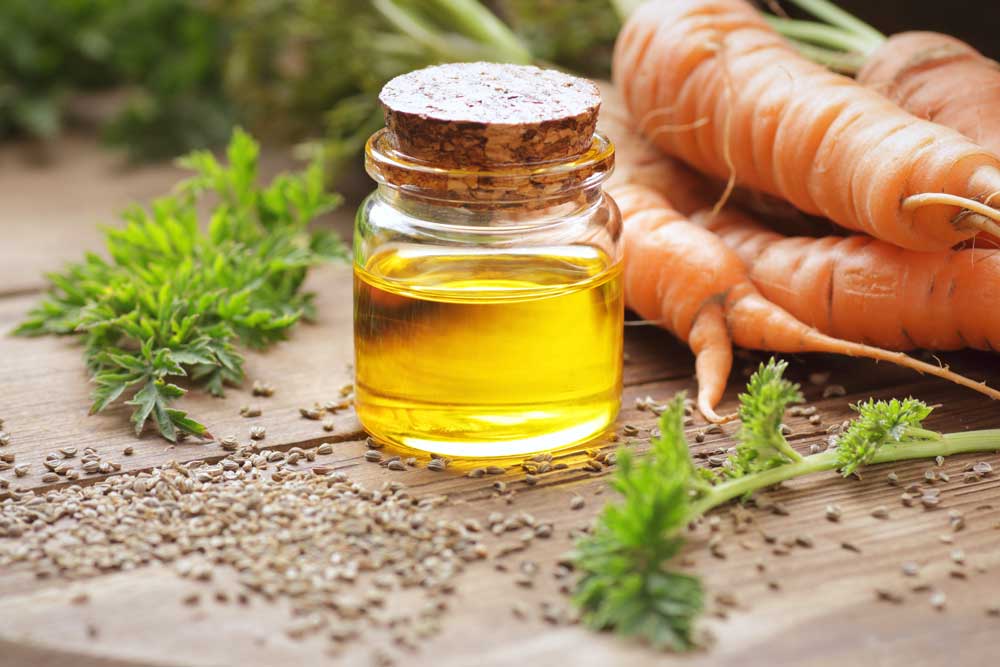
Carrot Seed Oil
Rich in beta-carotene (which your body converts into vitamin A), this oil supports skin renewal and adds a healthy glow. It’s also full of antioxidants, so it works quietly in the background to keep your skin looking fresh.
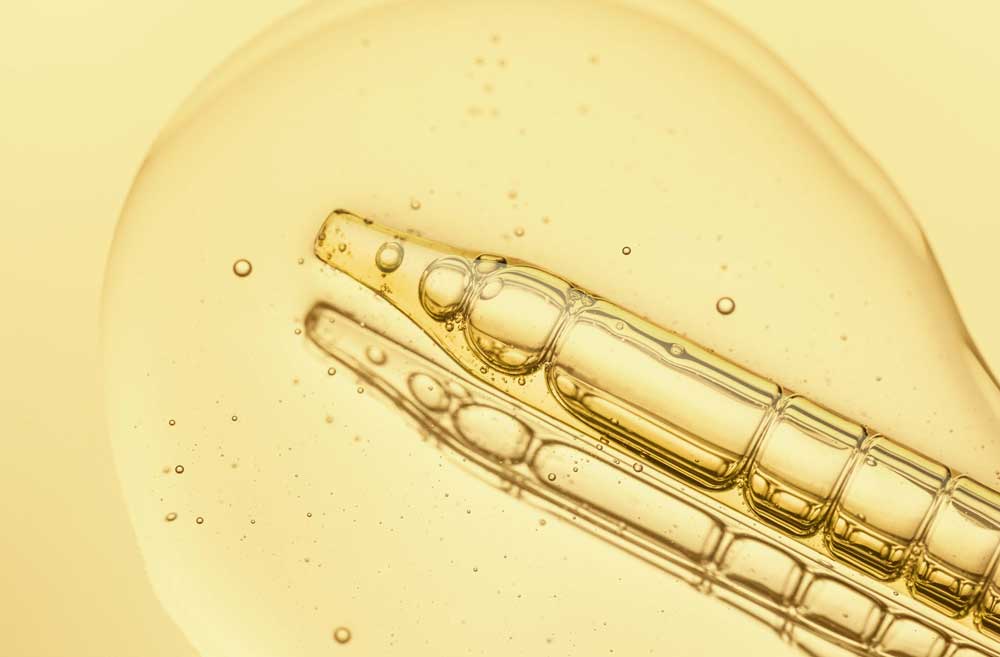
Sea Buckthorn Oil
This one is seriously nourishing. Packed with vitamins, antioxidants and essential fatty acids, it helps support collagen and repair the skin. If your skin feels dry, tired or stressed, this is a good one to lean on.
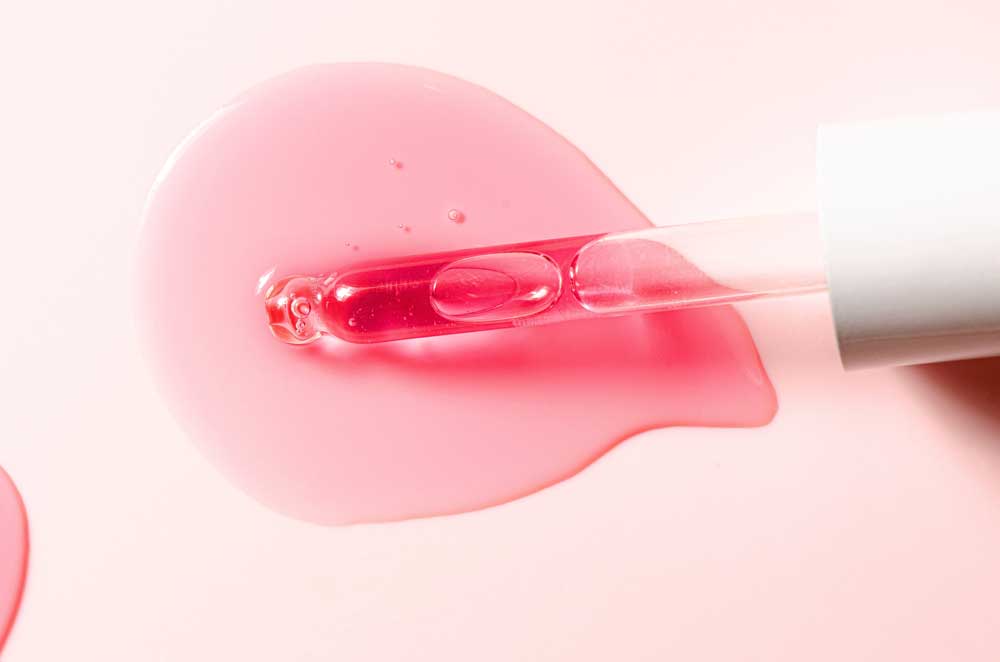
Azelaic Acid
Not plant-based, but still naturally occurring and incredibly useful. It’s great for acne, redness and pigmentation. It helps unclog pores, calm inflammation, and even out skin tone, all without being harsh.
Niacinamide
A skincare staple for a reason. It helps with almost everything, acne, redness, pigmentation, and even fine lines. Unlike retinol, it also hydrates the skin, which makes it a safe option for pretty much everyone.
Lactic Acid
If you’re looking for gentle exfoliation, this is it. Lactic acid helps remove dead skin cells, leaving your skin smoother and brighter. Over time, it can also support collagen production.
Cacay Oil
Think of this as a richer, more hydrating alternative. It’s packed with vitamin A and fatty acids, helping to improve skin texture and firmness, without the dryness that often comes with retinol.
Glycolic Acid
A stronger exfoliant, but still a good alternative. It helps with uneven texture, dark spots and dullness by speeding up cell turnover. Just go slow if your skin is sensitive and always wear sunscreen.
Resorcinol
A lesser-known ingredient that gently exfoliates and improves skin texture. It’s milder than retinol but still effective for smoother, more even-looking skin.
Peptides
Think of peptides as little messengers that tell your skin to produce more collagen. They don’t exfoliate like retinol, but they help keep your skin firm, plump and healthy over time.
Retinol might be the gold standard, but it’s not the only option. Because good skincare isn’t about using the strongest ingredient, it’s about using the right one for you.