You notice a tiny white bump on your cheek or under your eye. It looks like a whitehead, so the instinct is to squeeze it. But it doesn’t budge. If anything, it seems to sit there stubbornly for weeks.
Chances are, it isn’t acne at all. It could be milia, one of the most common and misunderstood skin concerns.
’Milia are often mistaken for whiteheads, but they are actually tiny cysts under the skin,’ explains dermatologist Dr Kiran Sethi. ;They form when dead skin cells get trapped beneath the surface instead of shedding naturally.’
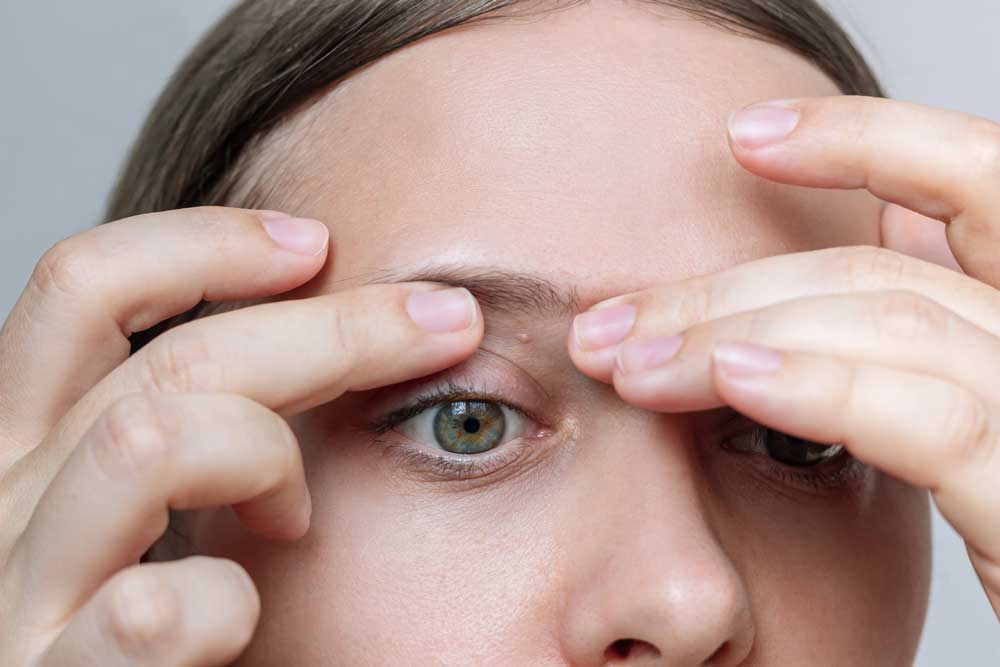
The result is a small, firm, pearly white bump that can appear on the face, especially around the thin skin of your eyes, cheeks and nose.
What Exactly Are Milia?
Unlike acne, milia are not caused by oil, bacteria or clogged pores. Instead, they form when keratin, a protein found in skin, gets trapped beneath the surface. These cysts are usually tiny, often about the size of a pinhead, and feel hard to the touch.
’They’re basically little blobs of keratin sitting under the skin,’ says Dr Sethi. ’Because they are enclosed cysts rather than inflamed pores, they don’t behave like pimples.’
This is why they don’t respond to typical acne treatments.

Why Do Milia Form?
Milia can develop for several reasons, and sometimes they appear without an obvious trigger. One of the most common causes is slow skin turnover. When dead skin cells don’t shed efficiently, they can become trapped beneath the surface. According to Dr Sethi, certain skincare habits can also contribute. ’Very heavy creams, thick oils or occlusive products can sometimes encourage milia formation, particularly around the delicate eye area,’ she explains.
Other possible triggers include:
- Sun damage, which thickens the skin
- Using overly rich skincare products
- Skin injuries or burns
- Long-term use of heavy makeup
- Genetics or naturally slower exfoliation
Newborn babies can also develop milia, but in adults, they are usually linked to skin turnover and product choices.
Why Doesn’t Squeezing Them Work?
One of the biggest mistakes people make is treating milia like acne. While the urge is real, it often gives no instant gratification akin to popping a pimple. Whiteheads contain soft material inside pores that can be expressed. Milia, however, sit deeper in the skin within a tiny sac.
’If you try to squeeze milia, you’re more likely to damage the surrounding skin,’ says Dr Sethi. ’You may cause redness, scarring or inflammation without actually removing the cyst.’
In other words, that stubborn bump will likely remain.
How Dermatologists Treat Milia
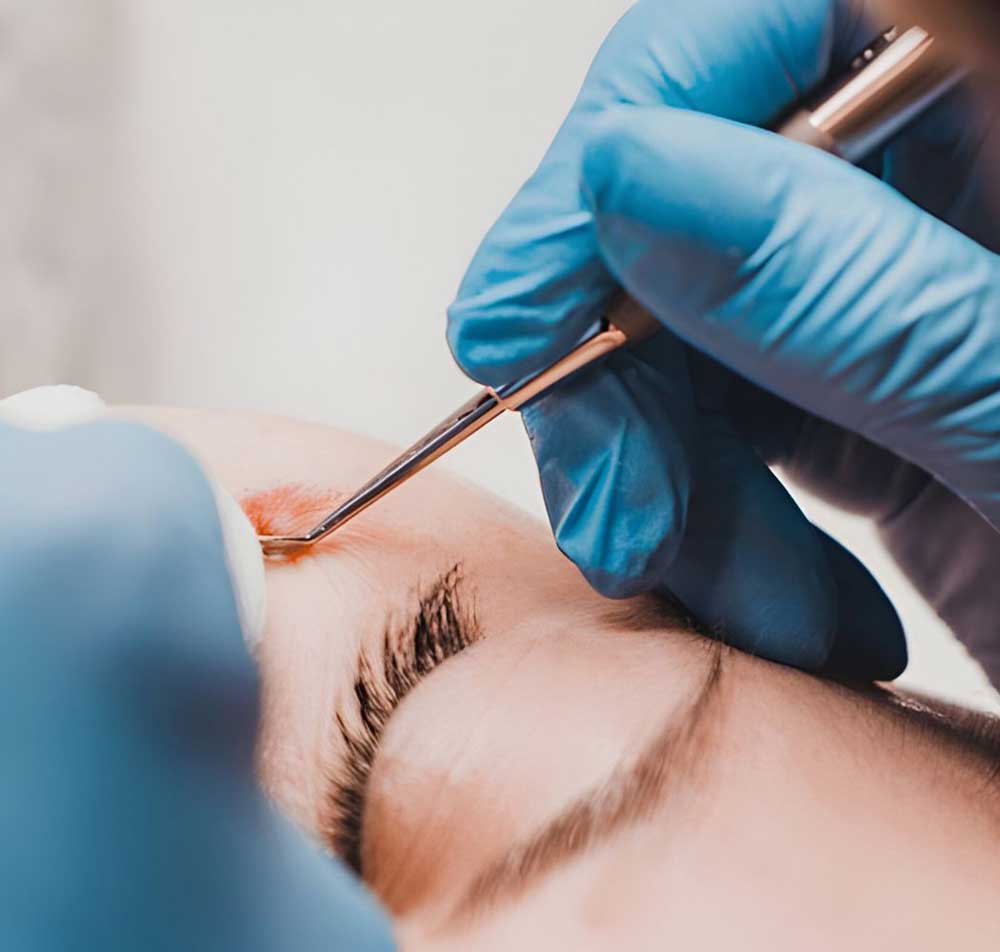
The safest and most effective way to remove milia is through a simple in-clinic extraction performed by a dermatologist. Using a sterile needle or specialised tool, the doctor gently opens the surface of the cyst and removes the keratin trapped inside. ’It’s a very quick procedure when done professionally,’ says Dr Sethi. ’But it should always be done under hygienic conditions to avoid infection or scarring.’
The process usually takes only a few minutes and heals quickly.
Can Milia Be Prevented?
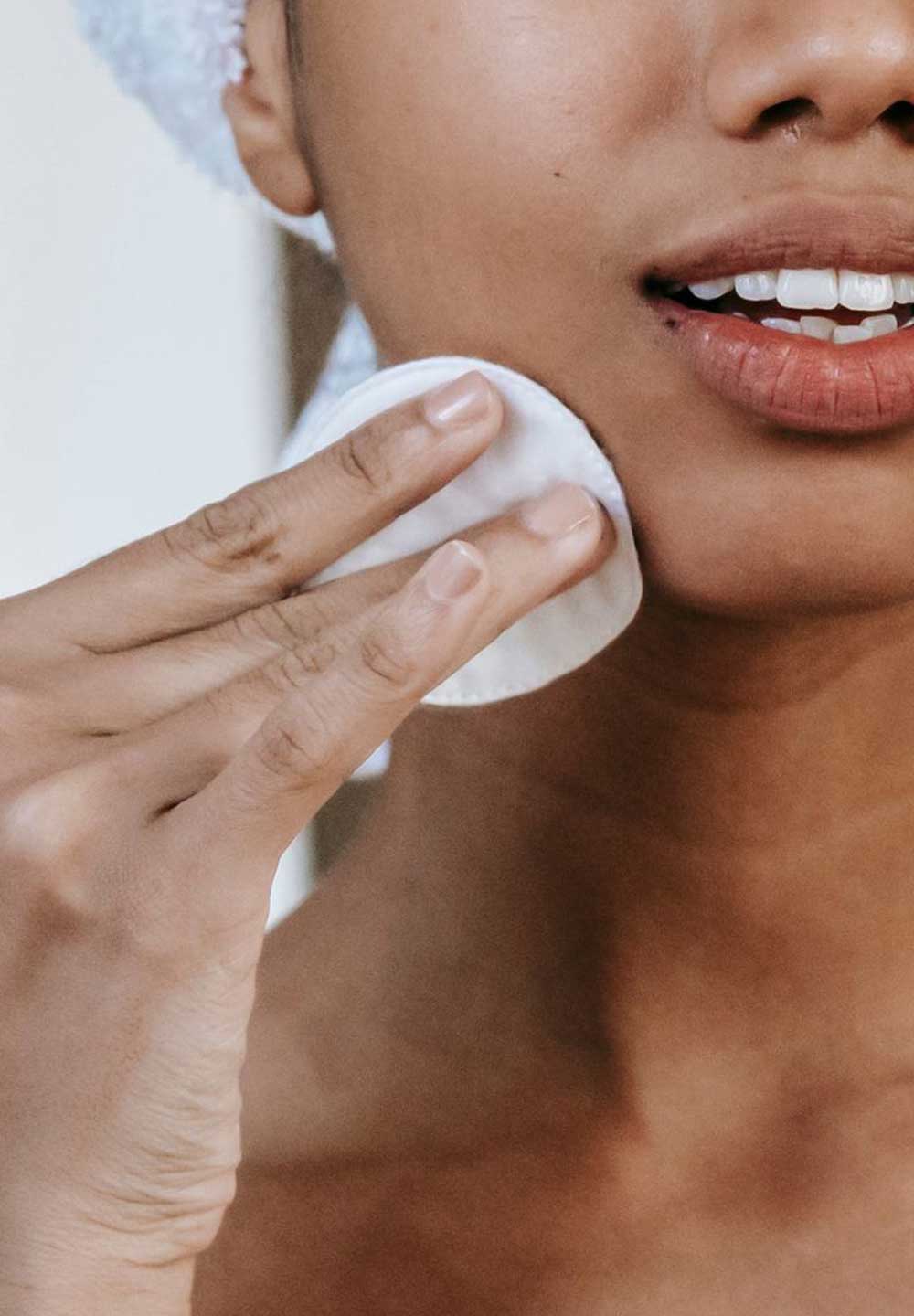
While not all milia can be avoided, certain habits may help reduce their chances of forming. Gentle exfoliation is key. Ingredients such as mild chemical exfoliants can help remove dead skin cells and support healthy skin turnover. Dr Sethi also recommends being mindful of product textures.
’If you’re prone to milia, avoid overly thick creams around the eye area and choose lighter formulations,’ she advises. Regular sun protection is also important because UV damage can thicken the skin and contribute to trapped keratin.
Milia is harmless, but trying to treat them like pimples can lead to irritation and skin damage. ’Think of milia as a skin texture issue rather than a breakout,’ says Dr Sethi. ’With the right skincare and professional help when needed, they can be safely managed.’